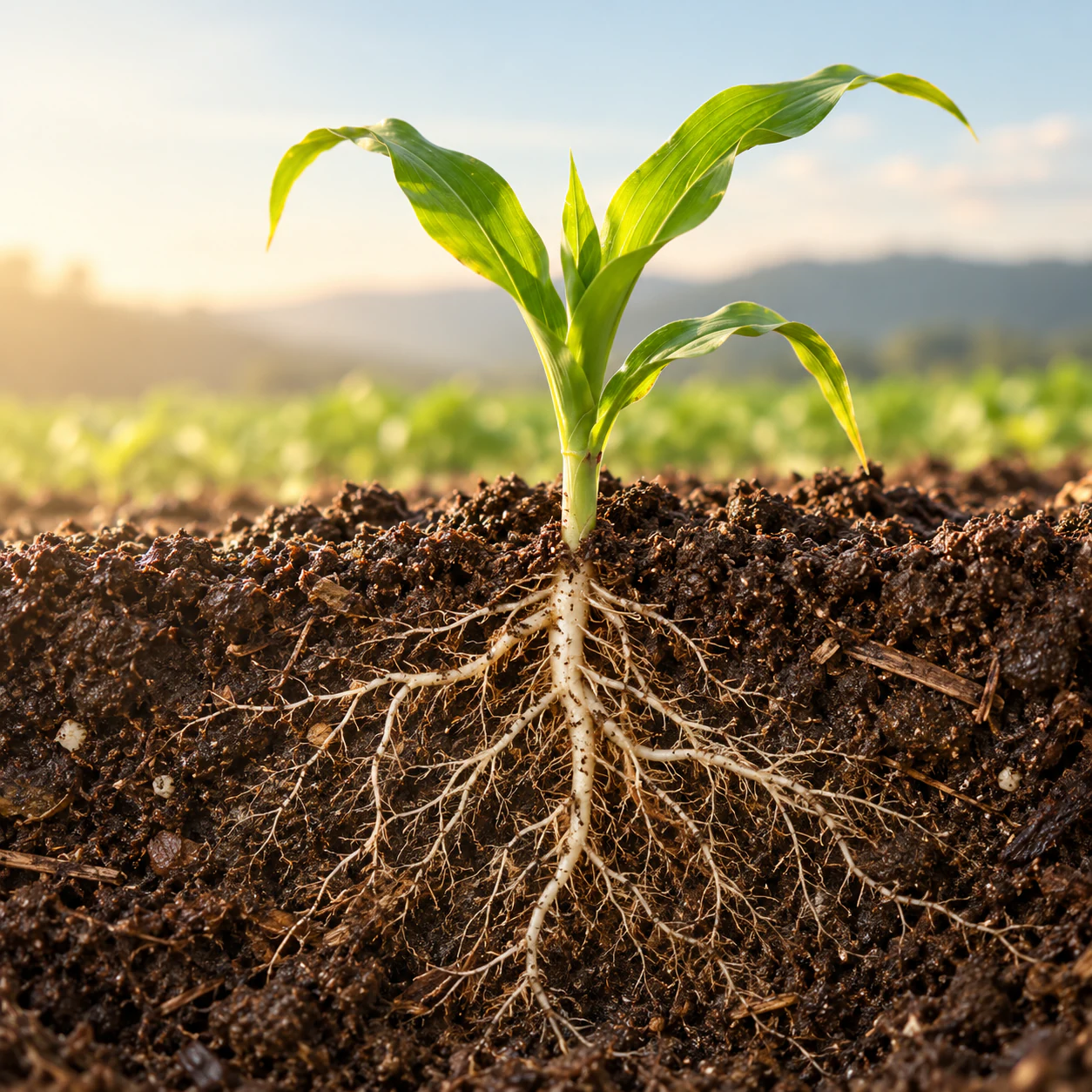
LET'S CULTIVATE PROGRESS
Better soil starts
with better decisions.
Turn soil insights into practical action, from testing to targeted improvement.
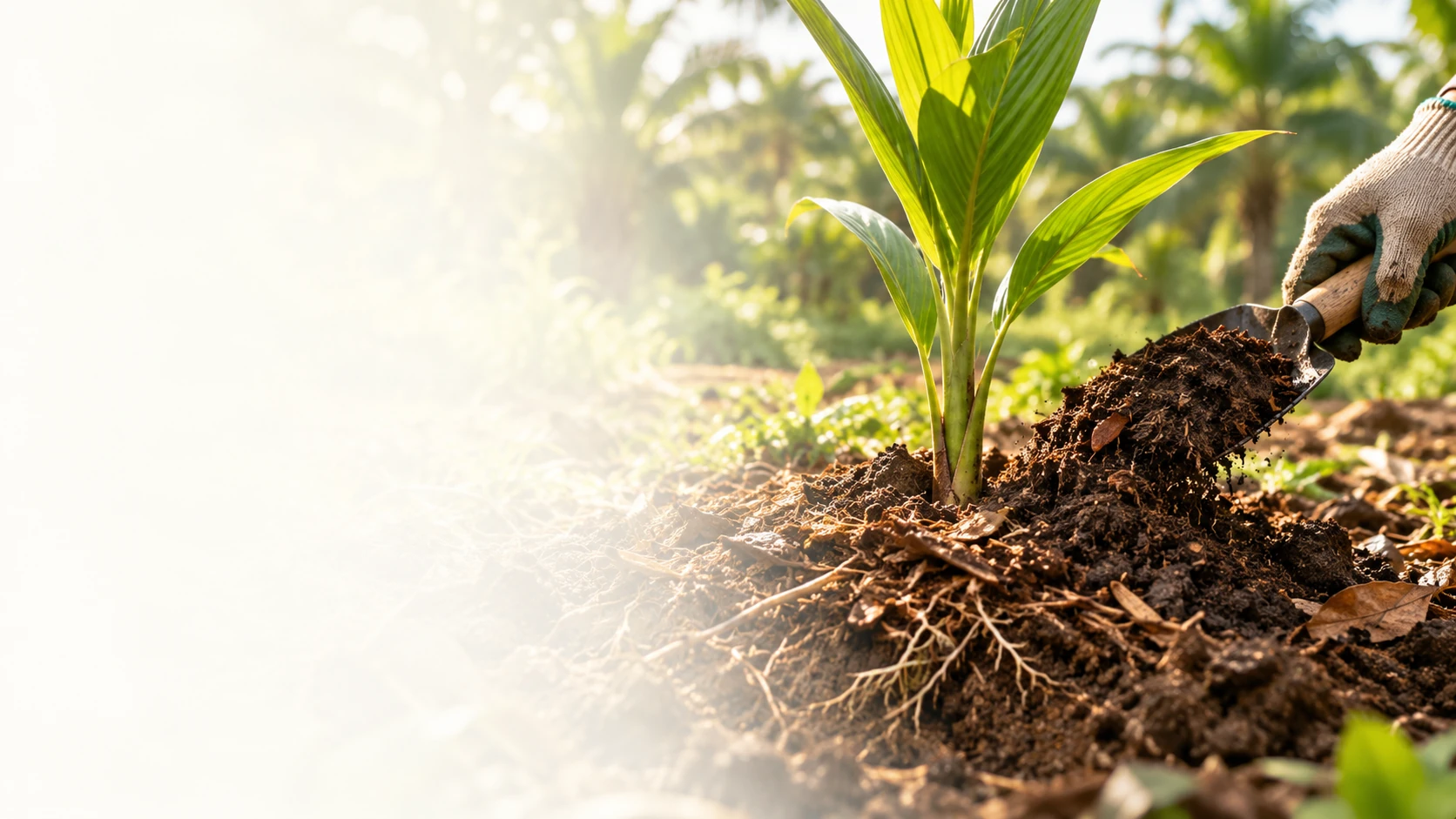
TERAhume · Soil restoration
TERAhume helps rebuild the organic matter, structure and soil life that let water, air and roots move through your soil.
For plantations and estatesInput suppliersGrowers
Illustrative field scene
Why soil matters
A closer look at the soil shows how its structure shapes the space available below the surface.
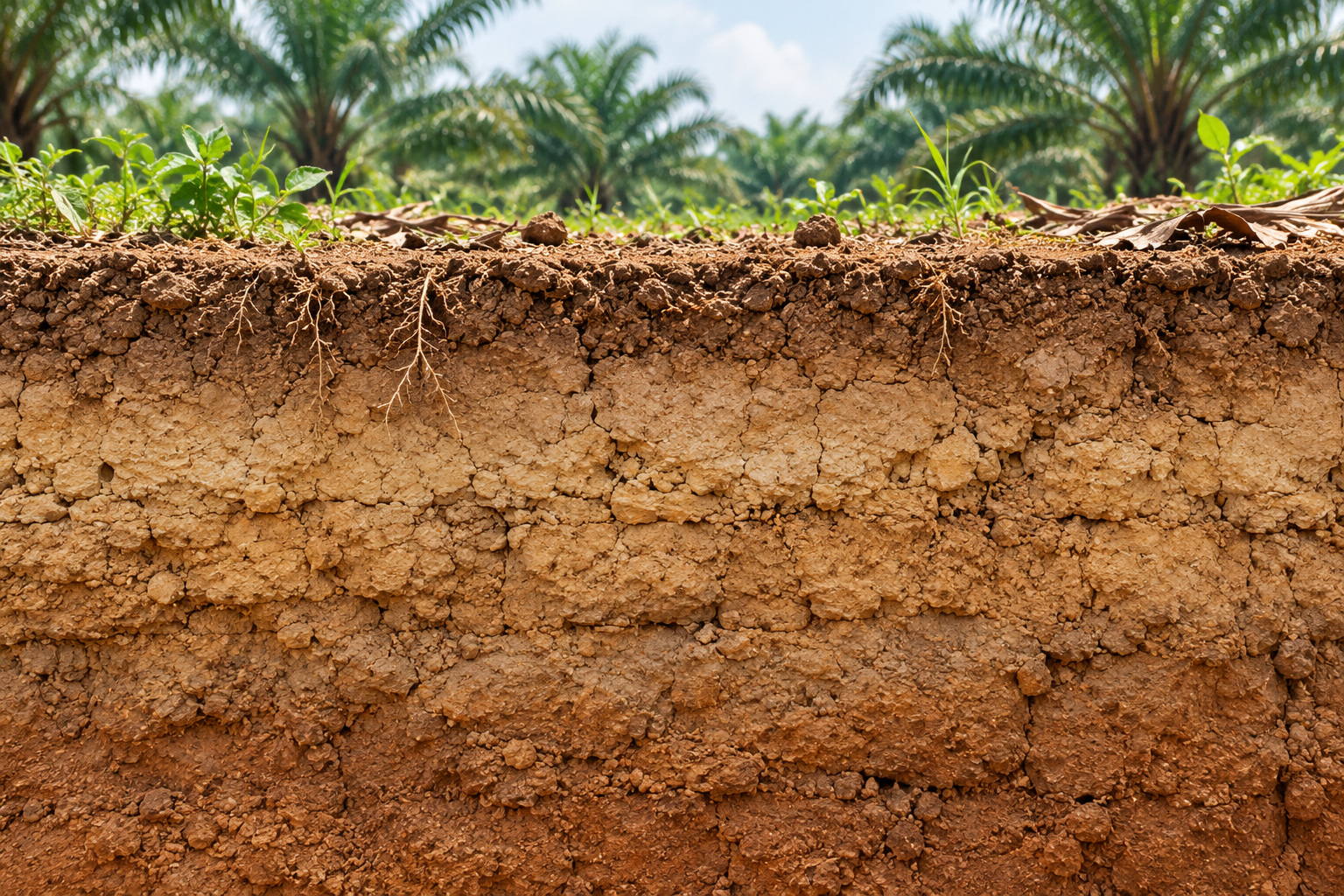
Look at the surface layer
Organic matter helps keep topsoil crumbly, giving young roots room to spread.
Follow the water
Connected pores let rain soak deeper into the soil instead of staying near the surface.
Follow the roots
In structured soil, roots have room to grow deeper below the surface.
Conceptual soil cross-section. Not documented TERAhume treatment results.
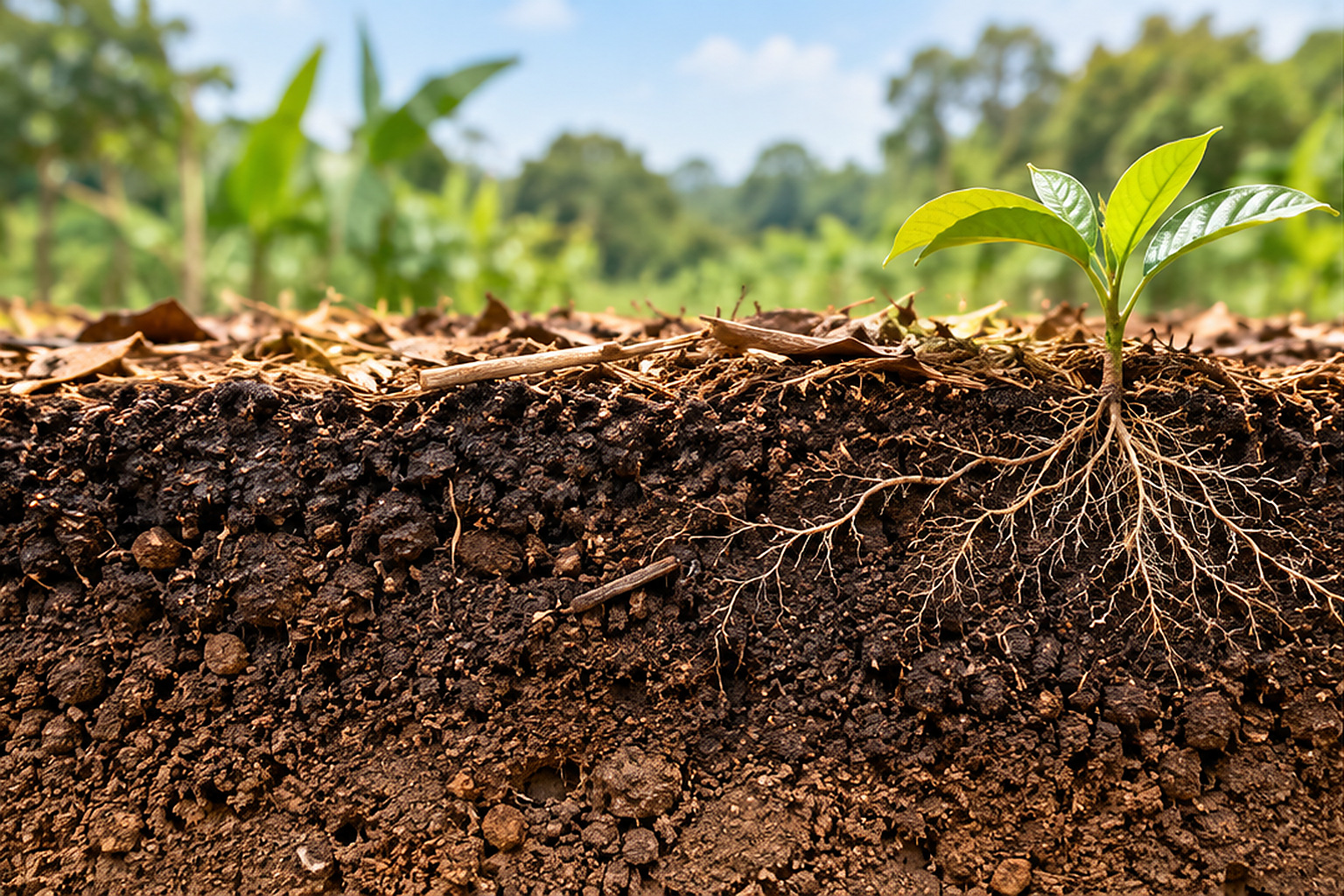
Step 1 of 3
Look at the surface layer
Organic matter helps keep topsoil crumbly, giving young roots room to spread.
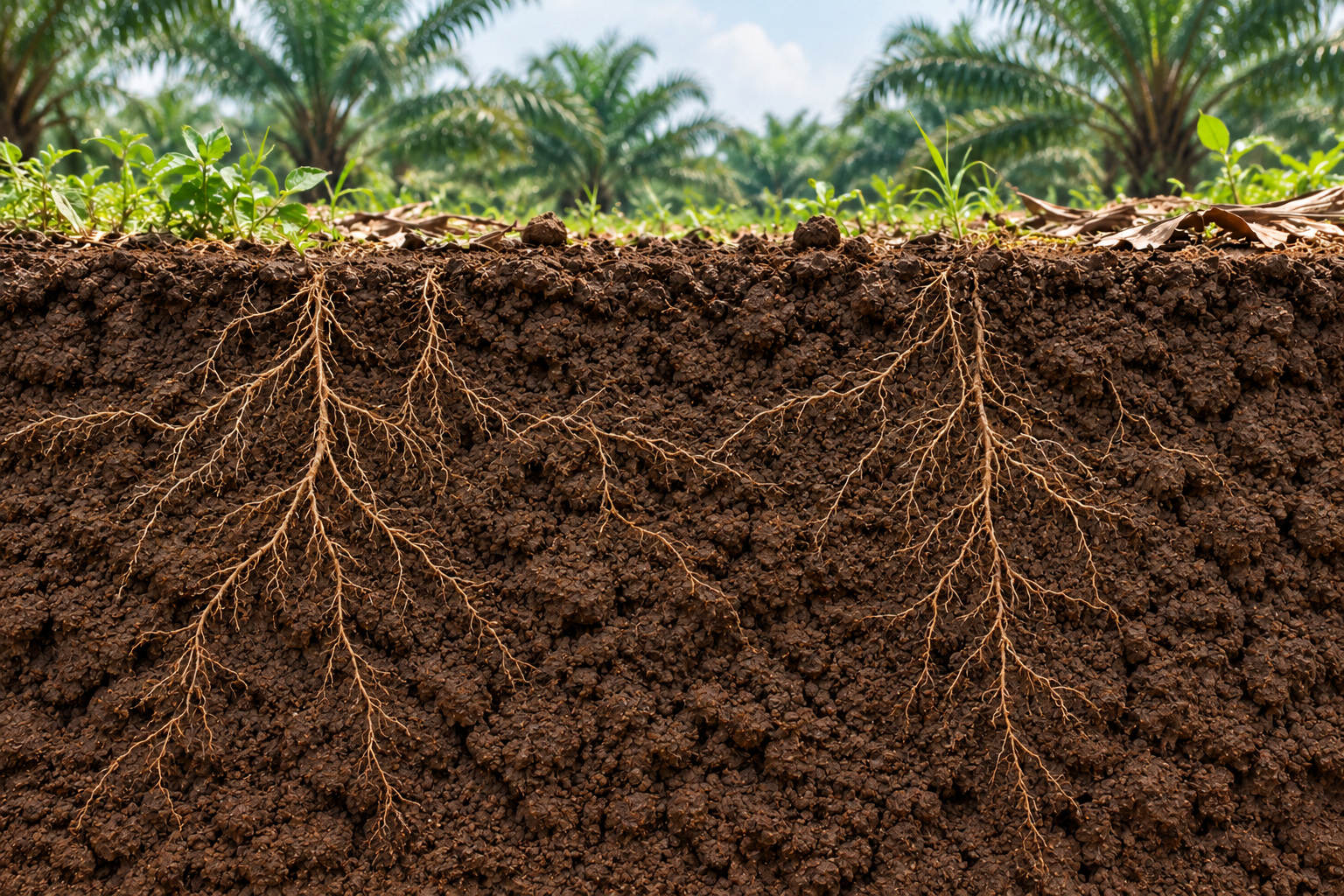
Step 2 of 3
Follow the water
Connected pores let rain soak deeper into the soil instead of staying near the surface.
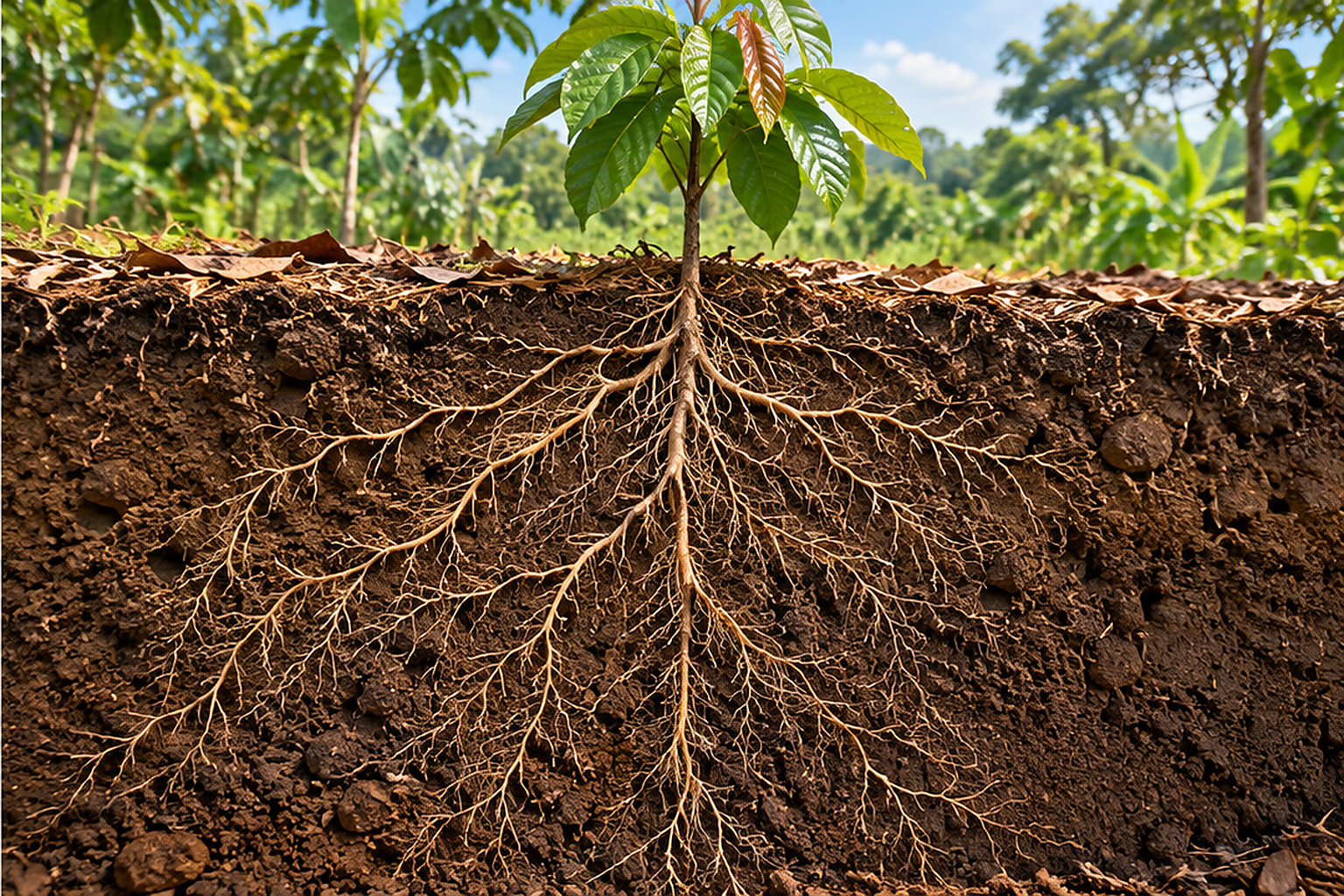
Step 3 of 3
Follow the roots
In structured soil, roots have room to grow deeper below the surface.
Conceptual soil cross-section. Not documented TERAhume treatment results.
How it works
TERAhume supports the natural process that turns organic material into stable, living soil.
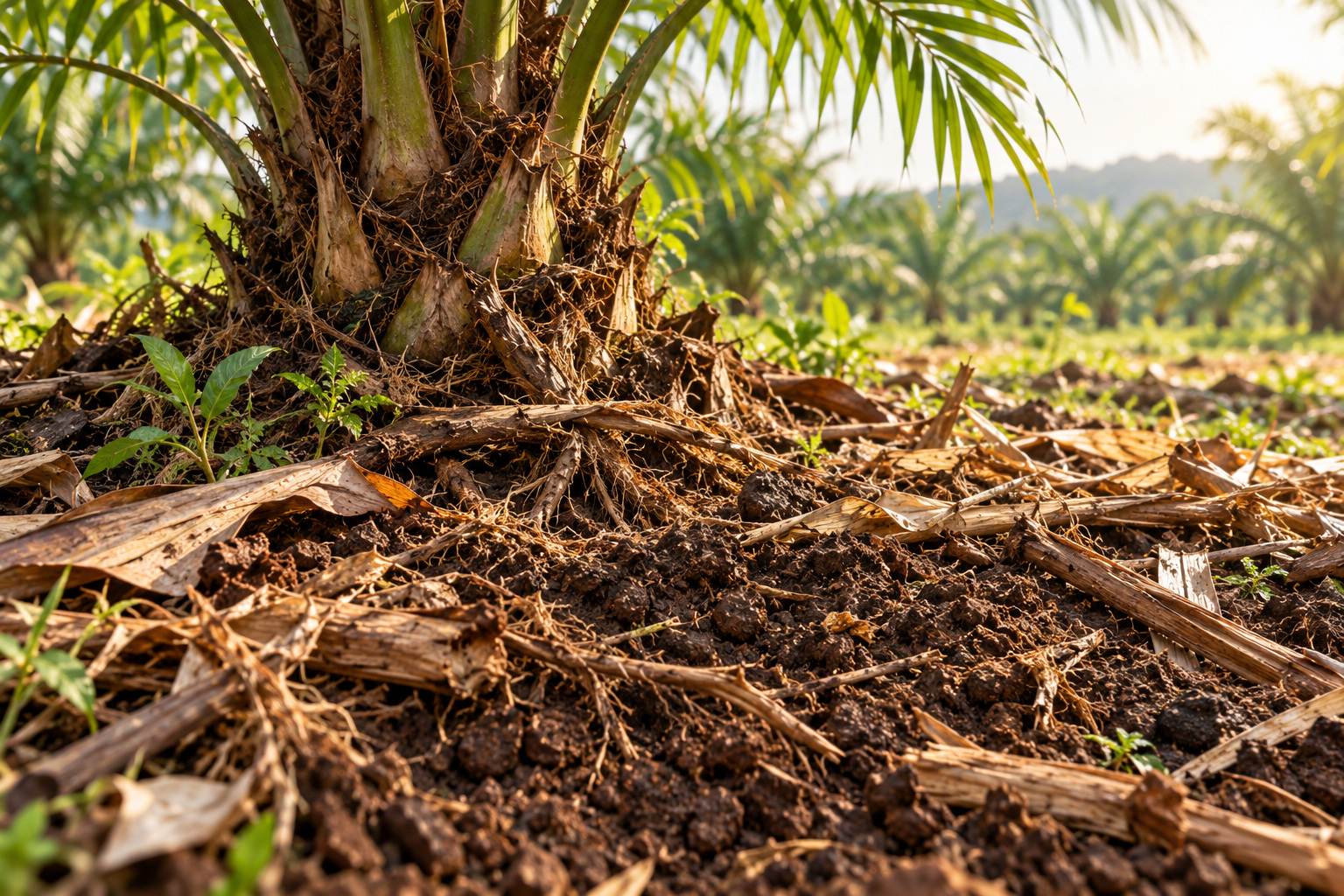
Organic inputs
What happens: Residues and roots add organic material to the soil.
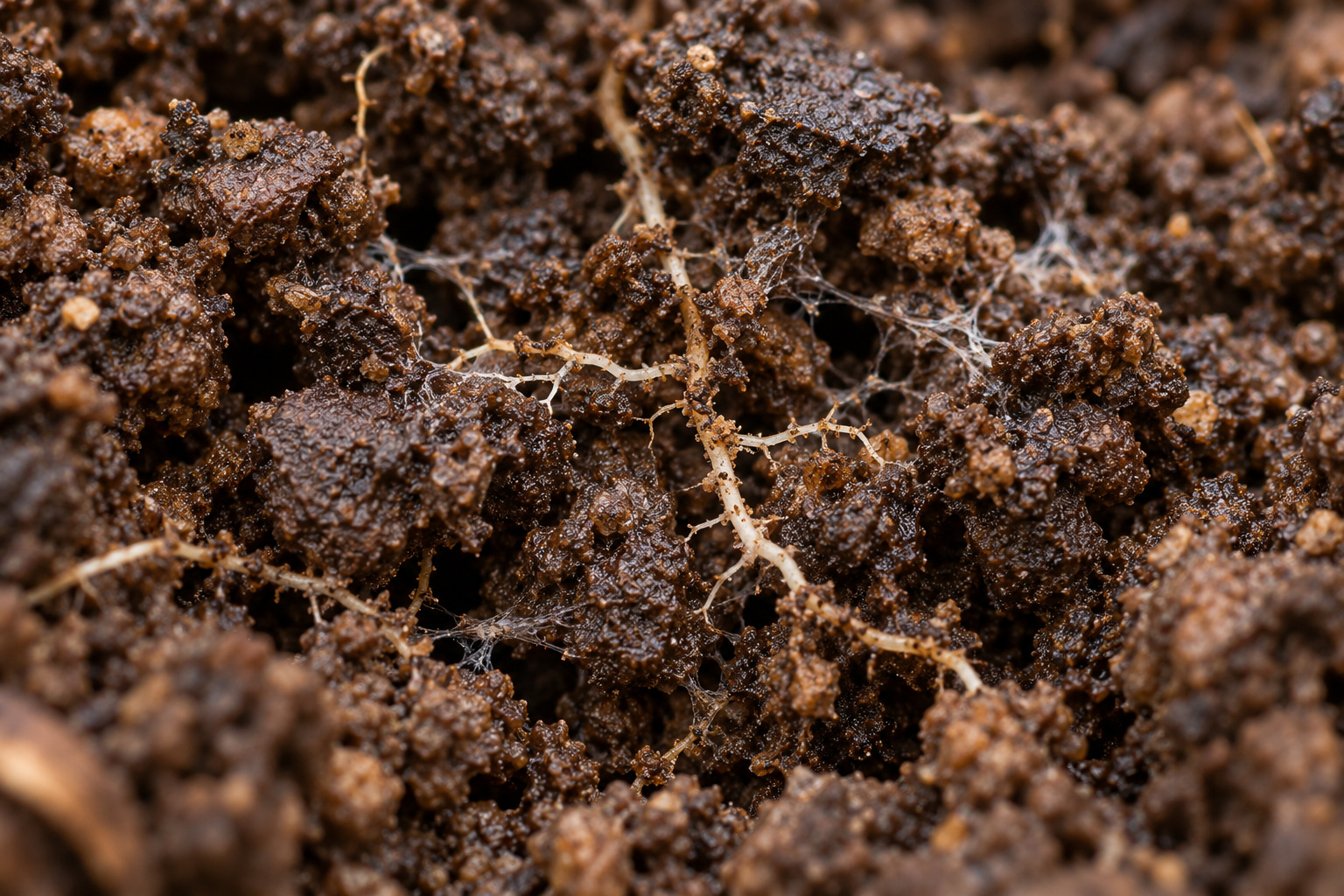
Soil biology
What happens: Soil organisms break it down and rebuild it into organic matter.
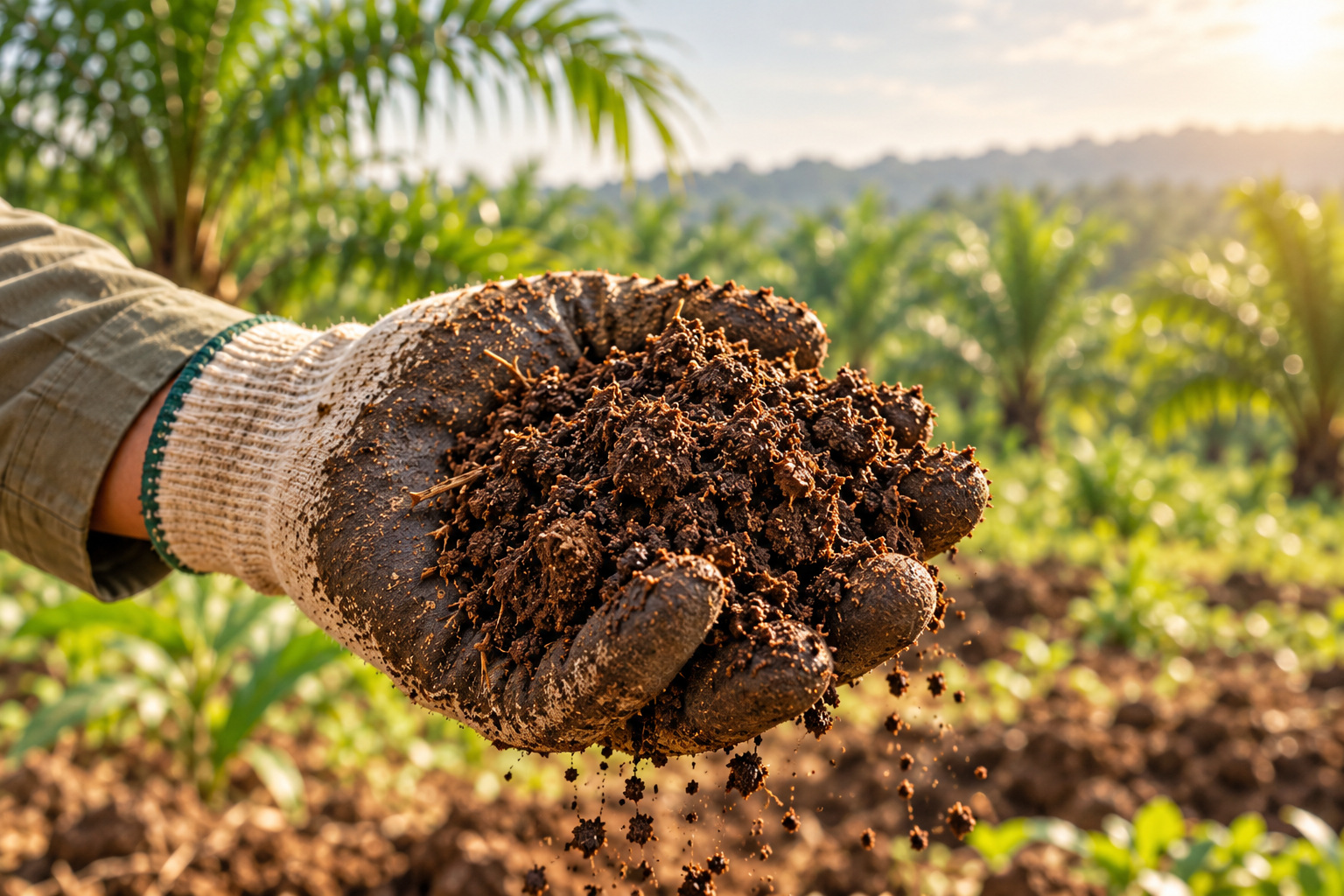
Soil structure
Why it matters: Stable crumbs and pores hold water and give roots room.
Carbon follows several pathways. Some may be retained within aggregates or associated with minerals; some returns to the atmosphere as CO₂.
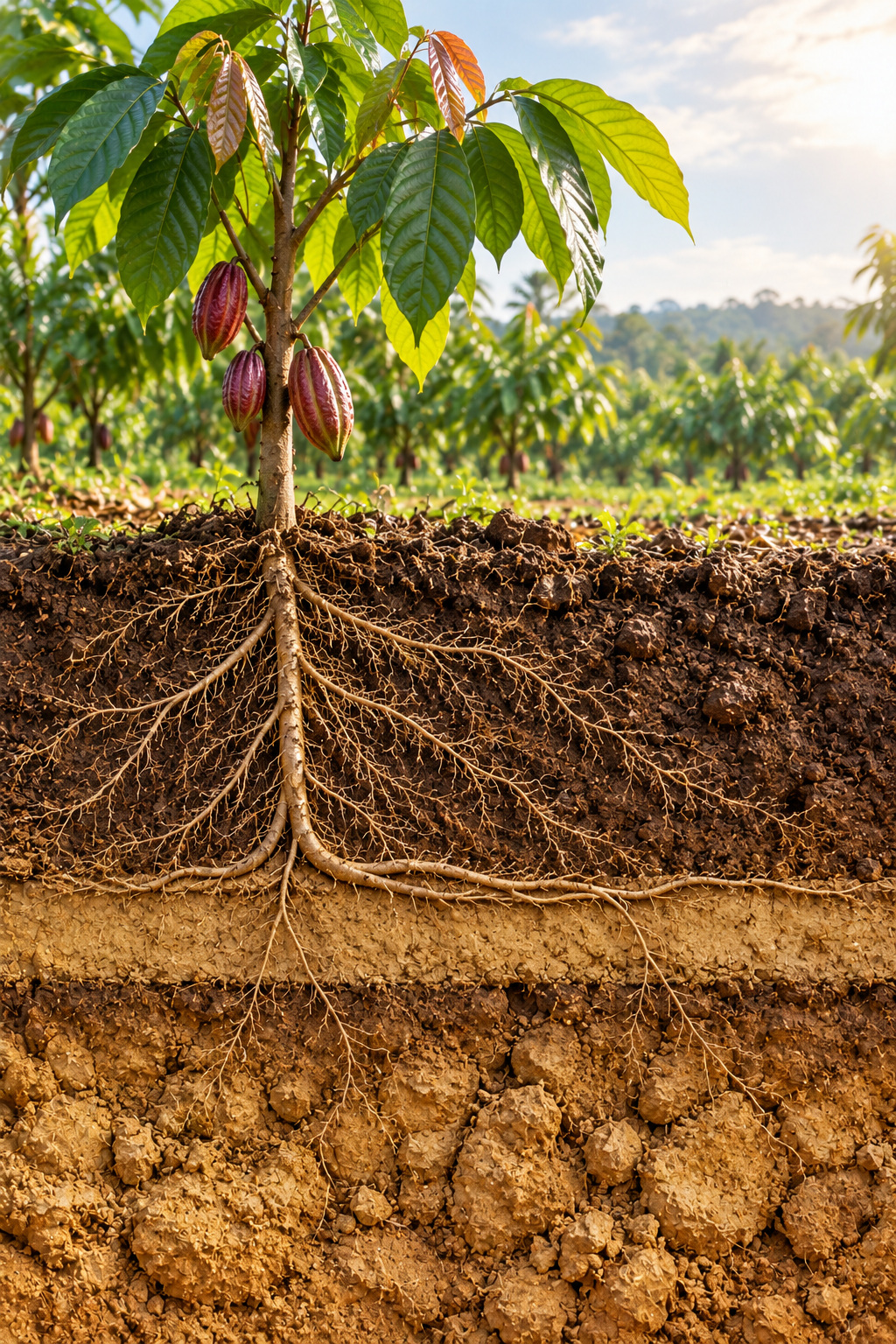
What we look for
Before choosing an approach, a soil check reads signs like these. They guide what to investigate; they are not a treatment result on their own.
Young roots explore loose, crumbly soil near the surface.
A dense layer can deflect roots and limit access to the profile beneath.
Less of the profile is used for water and nutrients.
How it fits your site
No two estates are the same, so the approach starts with your soil, not a fixed recipe.
Identify the physical and biological conditions that need attention.
Match the approach to the crop, land and how your team works.
Check the same soil signs at each visit and adjust the plan.
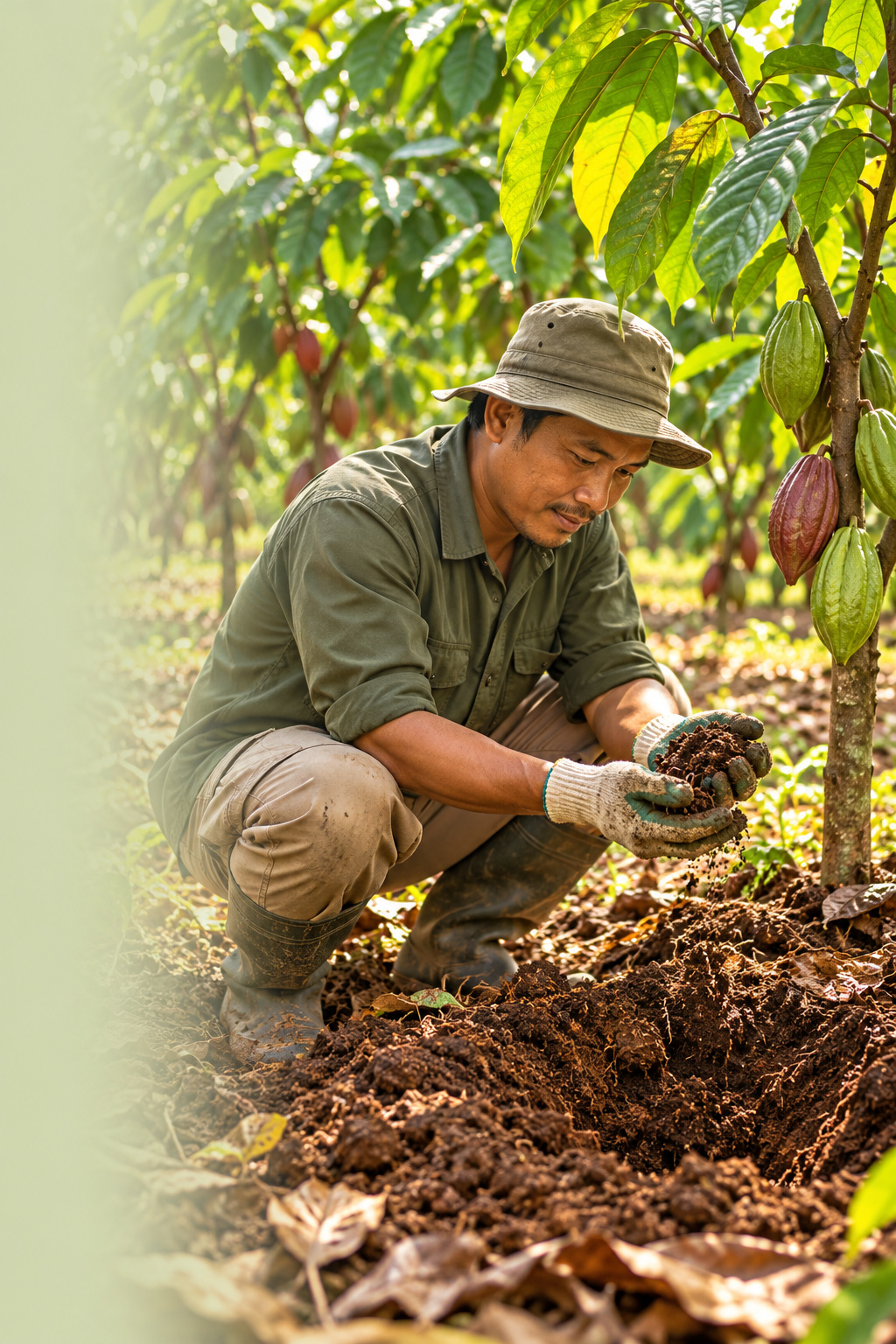
Every plan begins with what is in the ground at your site: its structure, roots and soil life.
Turn soil insights into practical action, from testing to targeted improvement.