Conventional soil testing
Chemical and physical conditions.
- Nutrients (N, P, K)
- pH and soil properties
- Basic soil chemistry
- Physical characteristics
Go beyond physical and chemical measurements. Understand the biological characteristics of your soil and uncover insights to support healthier, more productive plantations.
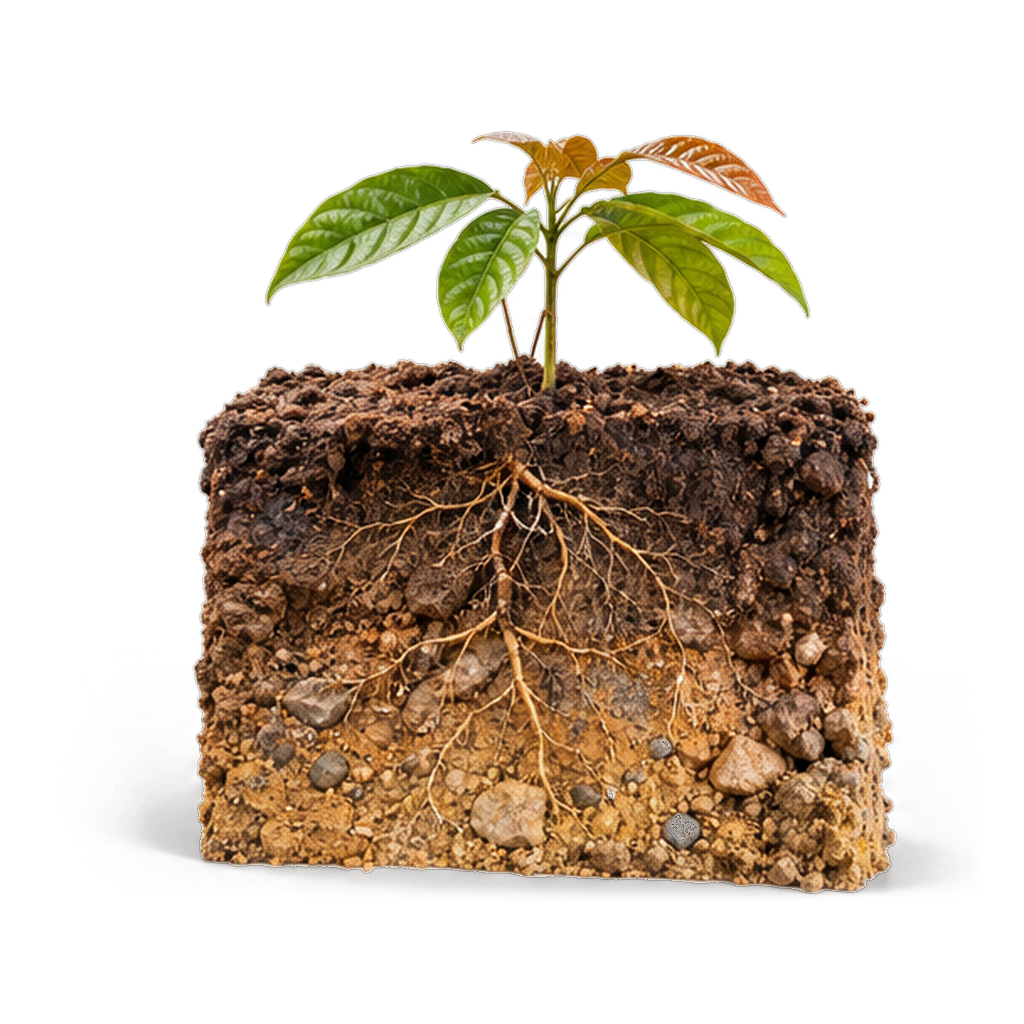
Conventional soil testing measures important chemical and physical properties. TeraTEST adds the biological perspective, revealing more about the living ecosystem beneath your crops.
See the differenceChemical and physical conditions.
The biological dimension.
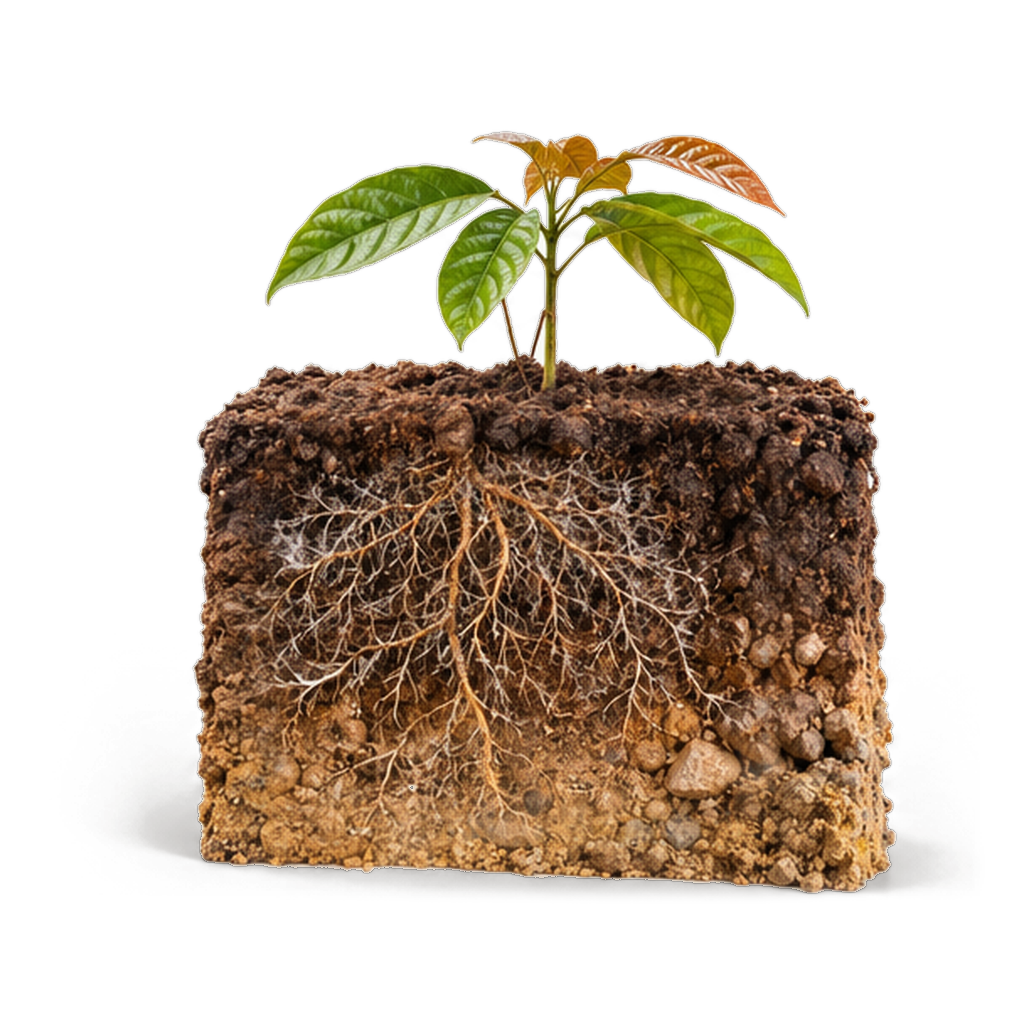
Biological analysis complements — rather than replaces — conventional agronomic testing.
TeraTEST provides insight into microbial communities and biological functions associated with nutrient cycling, organic matter decomposition, root interactions, and potential biological risks.
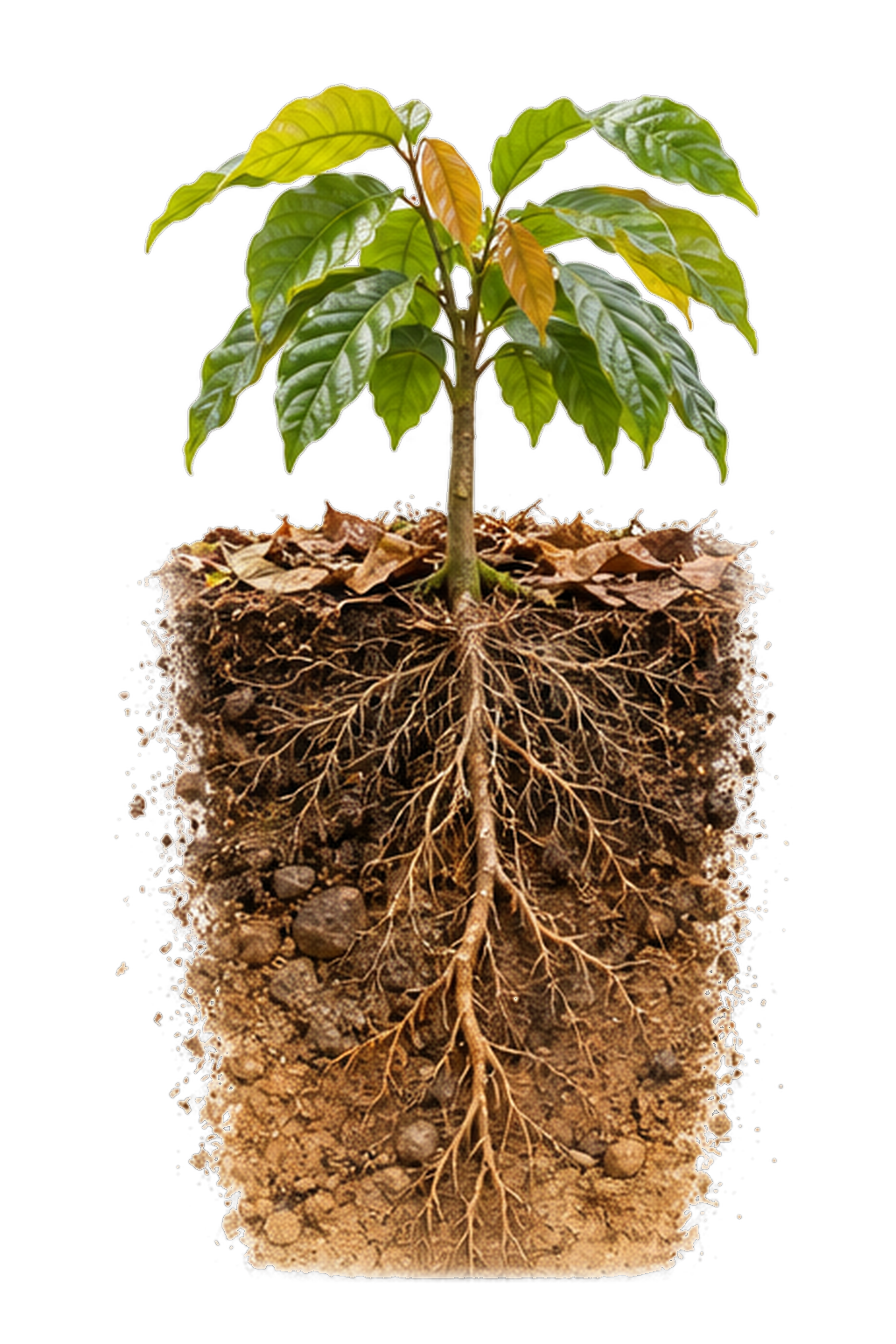
Illustrative. Functions are reported as biological potential and indicators, not direct field measurements.
TERAsoil Technology
Harnessing the power of the soil microbiome to give farmers, food companies, and fertilizer companies a clearer view beneath every growing decision.
Data collection as a base for soil analysis.
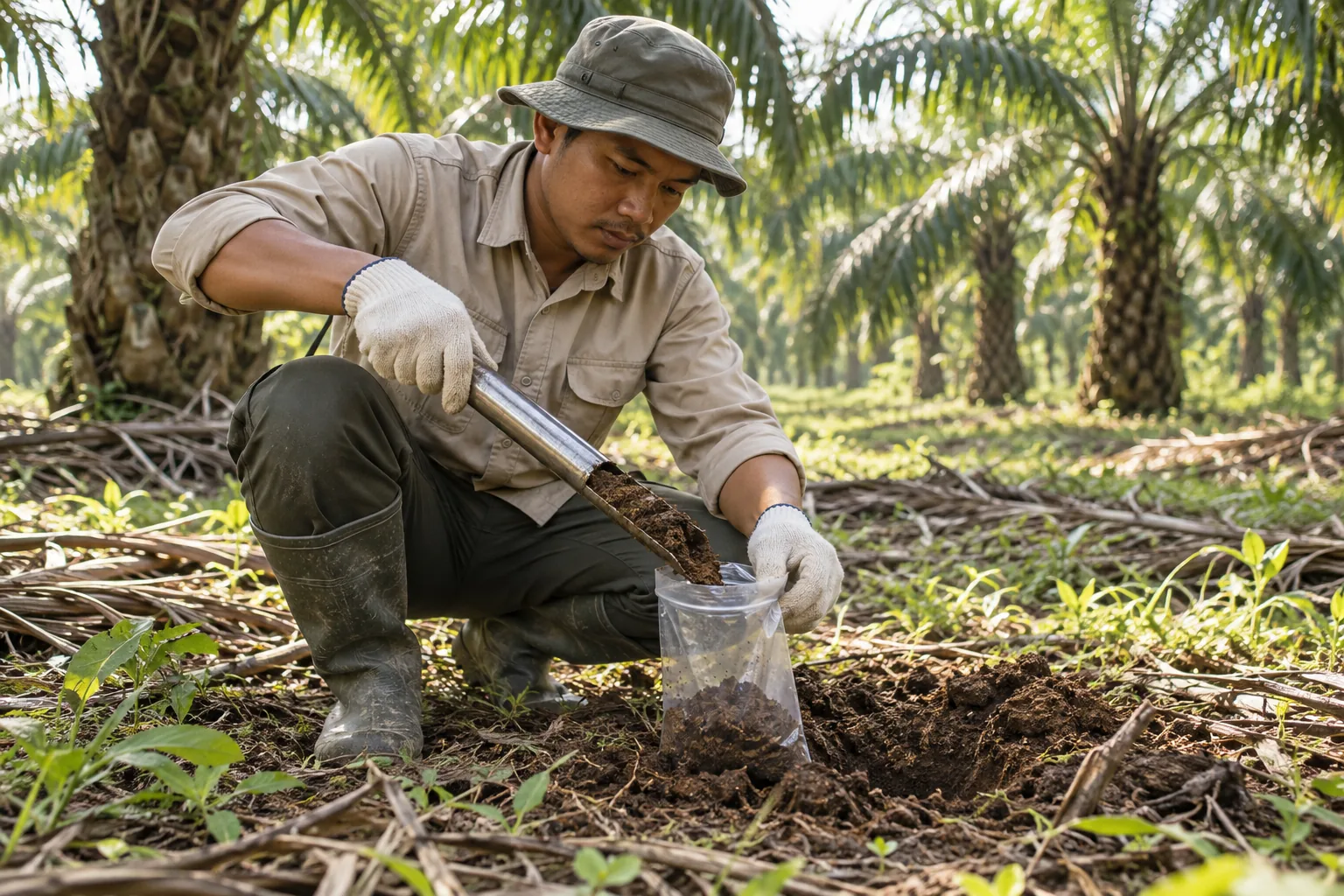 STEP 01
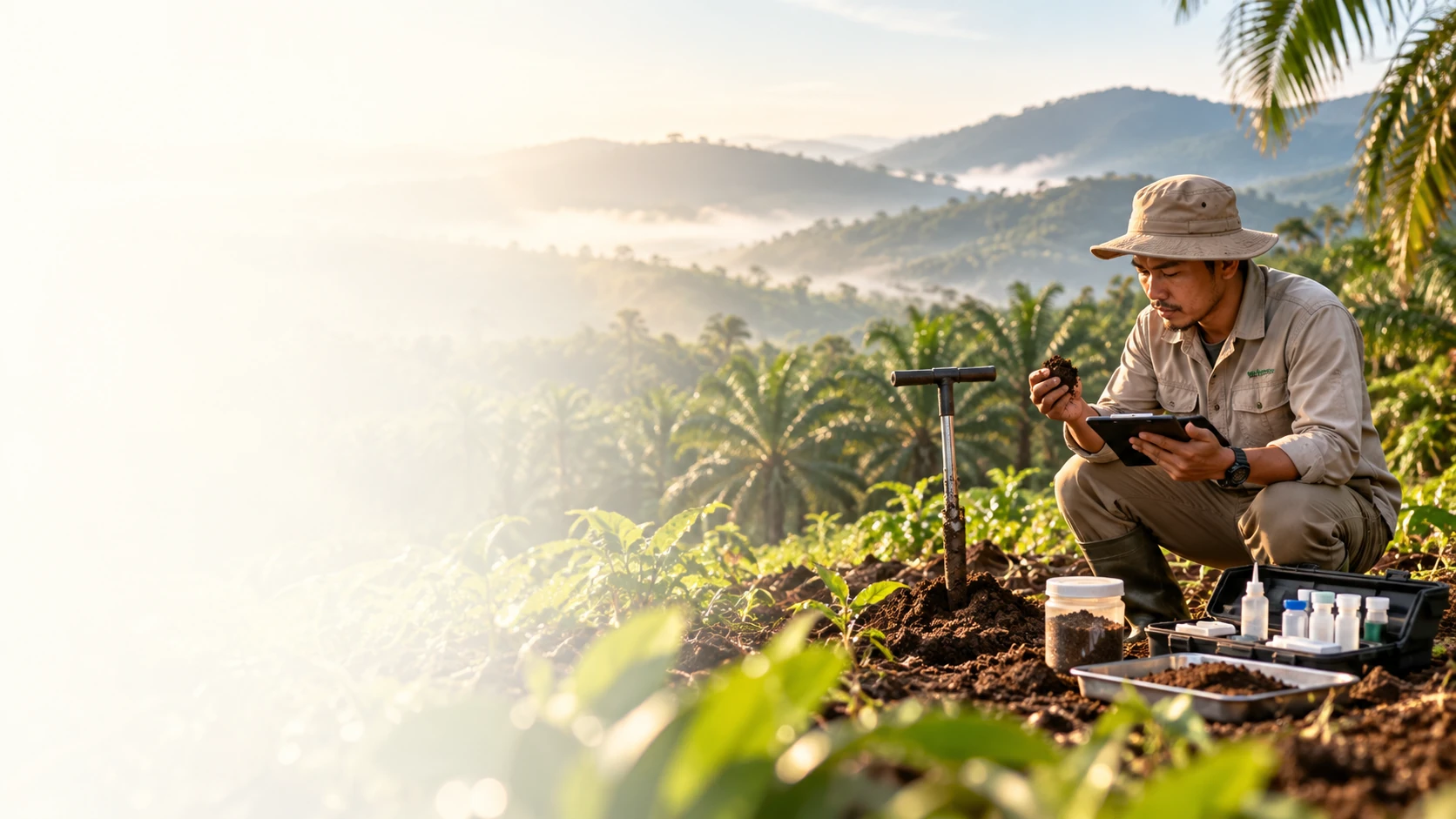
Representative soil samples and field information form the base for analysis by TERAsoil technology. The crop, location, and assessment goal help define what the results need to explain.
Extract soil DNA for biological analysis.
Generate soil genomics data with NGS.
Benchmark data with a worldwide database.
Find targeted indicators for crop and region.
Organize findings in a MISS report.
Match recommendations to the field's needs.
STEP 01Representative soil samples and field information form the base for analysis by TERAsoil technology. The crop, location, and assessment goal help define what the results need to explain.
Laboratory methods and available indicators depend on the selected TeraTEST service. Photographs and report visuals are illustrative; recommendations require actual analysis and local agronomic review.
Explore how biological indicators can be organized into clear insights, helping agricultural teams interpret soil conditions and consider practical next steps.
A conceptual view of how field observations and biological analysis might be presented together.
Interpret indicators alongside sampling context and conventional tests.
Illustrative interface only. No live data or verified client results.
Explore biological soil assessment for your plantation.