
Industrial · Long-lived palm

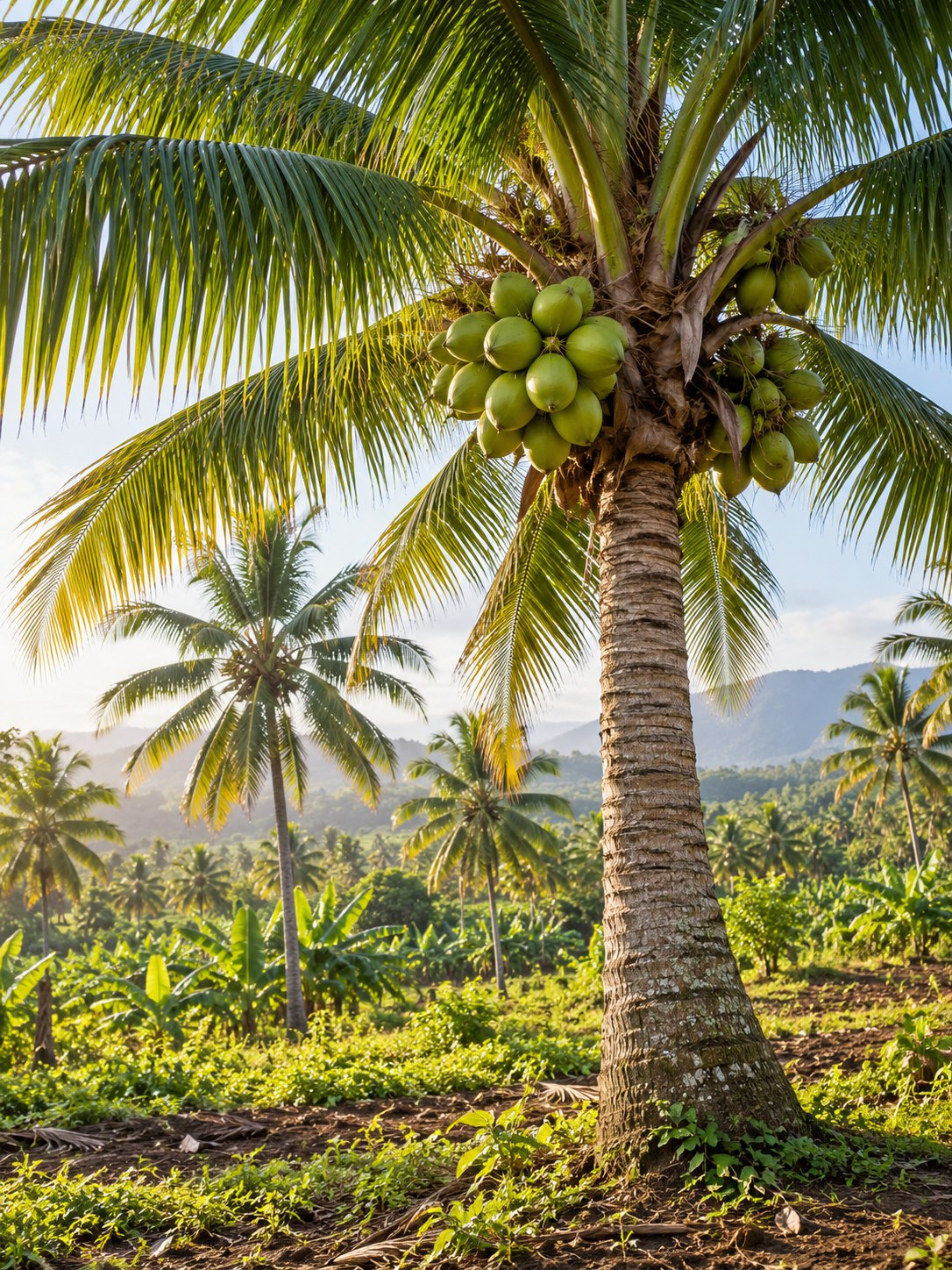
Coconut

Cocos nucifera L. · Kelapa · Arecaceae

A long-lived plantation palm whose productive root zone needs soil depth, drainage and reliable moisture. Ground cover, irrigation and intercrops should be planned around the palm and the site.

  • Plantation
  • Perennial

Summary of cited sources. TERAknow summarises published guidance from the sources linked on each page. Recommendations are general, not guaranteed: results depend on your soil, climate and variety, so confirm with local extension staff or an agronomist before acting.

Key facts

Site and soil at a glance

Soil
Deep, well-drained soil with good water holding capacity[1]
Soil pH
Tolerated range 5.2–8.6[1]
Site
Avoid water stagnation and shallow hard rock[1]
Water
Target irrigation to the active root zone[2]
Soil pH band: 5.2 to 8.6
Good practice

Practices by growth stage

Pick a stage, topic or approach to narrow the list. Open a card for technical detail and its sources.

Growth stage
Topic
Approach

Showing 5 of 5 practices.

    • Core practice
    • Establishment
    • Stage: Establishment

    Choose a deep site with reliable drainage

    Check soil depth, drainage and the water table before establishing palms.

    Technical detail
    • TNAU prefers deep soil with good water holding capacity and warns against shallow rock and water stagnation.
    • On sloping or low-lying sites, design the planting area for runoff and drainage.
    Regions
    India (Tamil Nadu)
    Confidence
    High confidence: several institutional sources agree
    • Core practice
    • Soil & nutrition
    • Stage: Establishment

    Measure the starting soil conditions

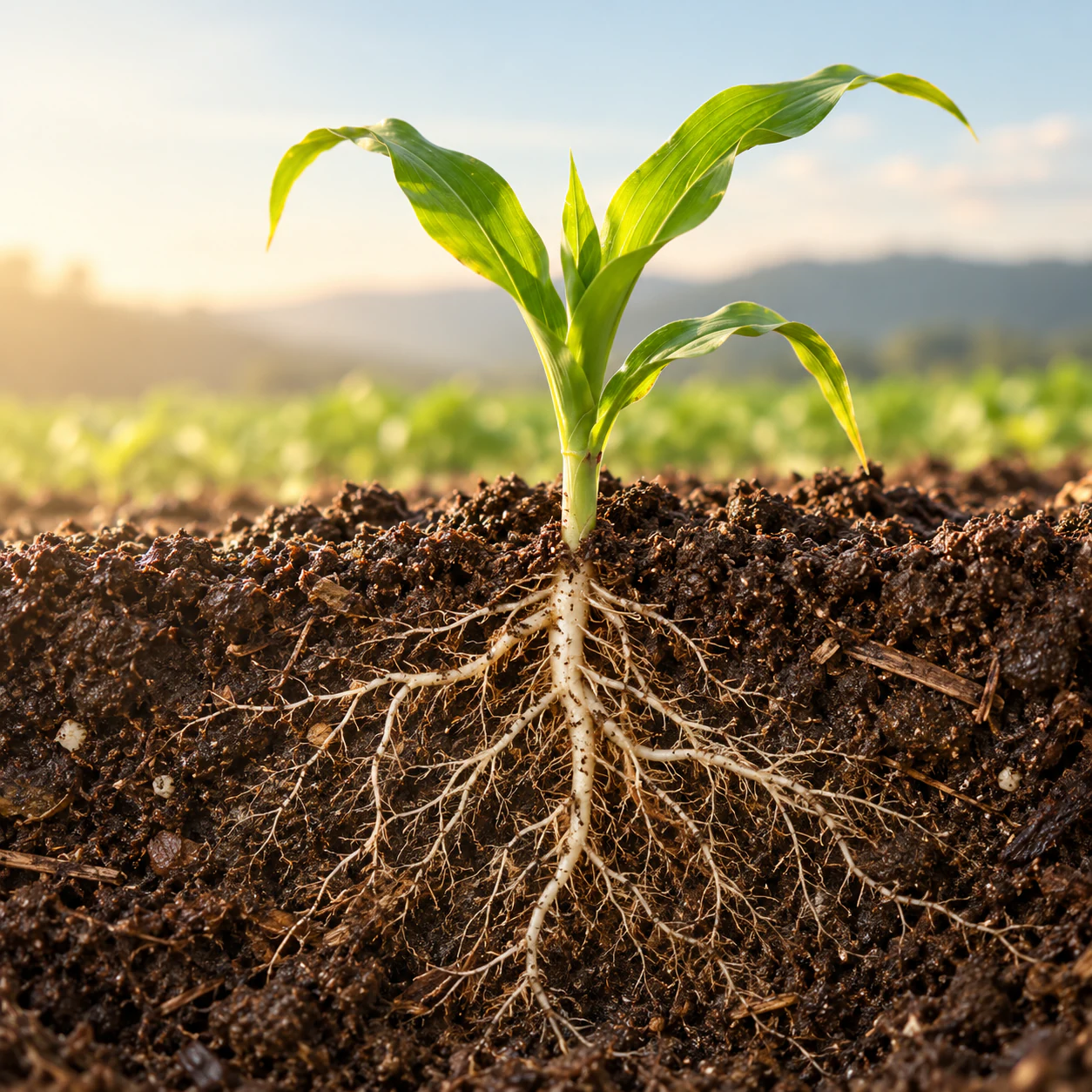
    Sample soil before planting so pH, texture and drainage concerns can shape the establishment plan.

    Technical detail
    • TNAU reports coconut growth across a broad pH range of 5.2 to 8.6; this is tolerance, not a target for every field.
    • Assess water holding capacity alongside pH.
    Regions
    India (Tamil Nadu)
    Confidence
    High confidence: several institutional sources agree
    • Core practice
    • Water
    • Stage: Canopy and root zone

    Place drip water where roots can use it

    Irrigate the palm's active root zone and adjust the schedule to local soil and weather.

    Technical detail
    • TNAU describes placing drippers around, rather than directly against, the trunk.
    • Use that layout as a reference, then adjust design with a local irrigation specialist.
    Regions
    India (Tamil Nadu)
    Confidence
    High confidence: several institutional sources agree
    • Biological & regenerative
    • Soil biology
    • Stage: Canopy and root zone

    Use cover crops and green manure where suitable

    Living cover and green manure can support the soil between palms when water and crop competition are managed.

    Technical detail
    • TNAU lists several green manure and cover crop options for coconut gardens.
    • Select species for the site and avoid competition around young palms.
    Regions
    India (Tamil Nadu)
    Confidence
    Medium confidence: one institutional guide
    • Core practice
    • Crop care
    • Stage: Mature plantation

    Match intercrops to palm age and canopy

    Choose intercrops according to available light, irrigation, soil and palm age.

    Technical detail
    • TNAU notes that intercrop suitability changes as the coconut canopy develops.
    • Budget water and nutrients for the palm and intercrop separately.
    Regions
    India (Tamil Nadu)
    Confidence
    High confidence: several institutional sources agree
Regional notes

How practice differs by region

  • India (Tamil Nadu)

    TNAU's coconut guidance covers drainage, drip placement and age-appropriate intercrops. Verify cultivar and site practices locally before applying rates.

Common mistakes

What to avoid, and what to do instead

  • AvoidPlanting into shallow or waterlogged ground.
    InsteadCheck rooting depth and drainage before establishment.
  • AvoidPlacing all irrigation at the trunk.
    InsteadDesign irrigation to wet the active root zone.
  • AvoidTreating intercrops as free of water and nutrient demand.
    InsteadPlan resources for both crops.
Sources

Numbered sources

This page summarises the sources below. Check the original documents for full context.

  1. Coconut main field cultivation practices (opens in a new tab)Tamil Nadu Agricultural University, TNAU Agritech Portal
  2. Drip irrigation in coconut (opens in a new tab)Tamil Nadu Agricultural University, TNAU Agritech Portal
THE NEXT STEP
LET'S CULTIVATE PROGRESS

Better soil starts
with better decisions.

Turn soil insights into practical action, from testing to targeted improvement.